


The ongoing Iran conflict introduces a systemic shock to global energy markets, with disproportionately high implications for AI infrastructure growth in energy-import-dependent economies like India. As highlighted, disruptions in the Strait of Hormuz and damage to Gulf energy assets are constraining oil and gas supplies, triggering a prolonged energy price escalation cycle.
From an Indian perspective, this is not merely a short-term cost issue—it represents a multi-layered constraint on the country’s AI ambitions, particularly as it seeks to position itself as a global AI and digital infrastructure hub.
Energy Economics: The Core Constraint on AI Scale
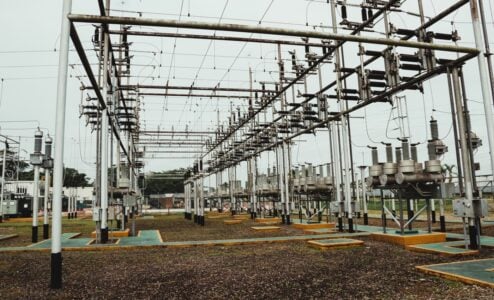
At its core, AI is not just about algorithms—it is about compute. And computing at scale requires a lot of energy. Hyperscale data centres, which power large language models and enterprise AI workloads, consume enormous amounts of electricity, with servers accounting for a dominant share of energy demand.
As energy costs rise, the economics of running and expanding these facilities become significantly less attractive. For India, this challenge is amplified by its dependence on imported fossil fuels. Global disruptions quickly translate into higher domestic energy costs, eroding the cost competitiveness that India aims to offer as a data centre destination.
Investment Momentum at Risk
The energy shock is likely to influence how capital flows into India’s digital infrastructure. In an uncertain energy environment, investments tend to become more cautious and selective. Instead of aggressive expansion, companies may prioritise optimising existing assets and controlling operational costs.
This shift is particularly critical for India because its data centre ecosystem is still in a growth phase. Any slowdown in new capacity creation at this stage could delay its ambition to become a large-scale AI compute hub, especially as other Asian economies continue to compete for similar investments.
Dependence on Hyperscalers: A Strategic Vulnerability
India’s AI infrastructure expansion is closely tied to global hyperscalers such as Google, Microsoft, and Amazon. While these players have the financial strength to navigate energy volatility, their investment strategies are global in nature.
In a constrained energy environment, they are more likely to prioritise regions with stable, cost-effective, and renewable-heavy power ecosystems. This creates a strategic risk for India: if energy reliability becomes a concern, it may gradually lose its attractiveness as a preferred destination for large-scale AI infrastructure deployment.
Renewables: The Transition Gap
Renewable energy is increasingly central to sustaining AI growth, and India has already begun moving in this direction with solar and wind-powered data centre initiatives. However, the transition is not immediate.
Scaling renewable energy requires significant capital, infrastructure readiness, and time. This creates a gap between AI demand growth (which is rapid) and clean energy supply (which is gradual). As a result, only large players with long-term investment capacity can effectively transition, while smaller operators remain dependent on conventional grid power.
The Sustainability vs. Scale Trade-off
A critical tension is beginning to emerge in India’s AI journey—between scaling infrastructure quickly and maintaining sustainability commitments. In the short term, energy shortages may push for greater reliance on coal-based power.
While this may support immediate expansion, it raises concerns around carbon emissions and ESG alignment. Over time, this trade-off could influence both regulatory direction and investor sentiment, particularly as global capital becomes more climate-conscious.
Supply Chain Pressures Beyond Energy
The impact of the energy crisis extends beyond electricity into the hardware layer of AI. Rising costs and disruptions in raw materials are affecting the global supply of AI chips.
For India, which is still building its semiconductor ecosystem, this creates an additional layer of dependency. Higher chip costs could slow AI adoption across enterprises and startups, limiting experimentation and innovation at a time when the ecosystem is still maturing.
Conclusion: From Ambition to Infrastructure Reality
The Iran conflict serves as a stress test for India’s AI ambitions, revealing structural dependencies that were previously underappreciated. Energy security, capital allocation, and supply chain resilience are no longer peripheral concerns—they are central to the future of AI growth.
For India, the path forward will require tighter alignment between its digital and energy strategies. The next phase of AI leadership will not be defined solely by talent or innovation, but by the ability to build resilient, scalable, and sustainable infrastructure to support it.