





Jul 30, 2026
Beyond Digitalization: Why Cognitization Will Define the Next Era of Supply Chains
Read More

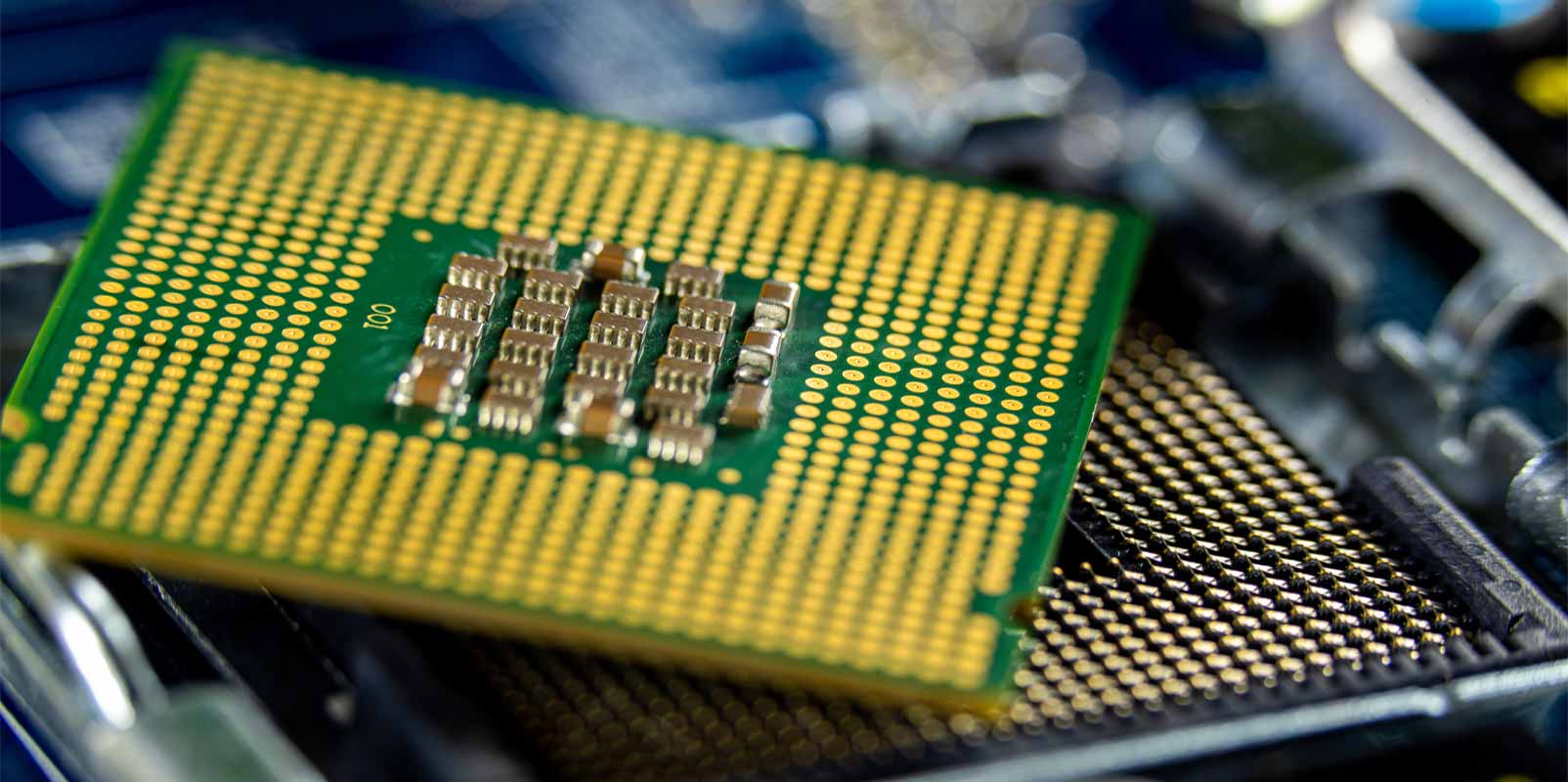
For more than a year, the Indian industry reeled under a severe shortage of semiconductors. With that, the Indian government has been making the right noises to get into the production of chips or semiconductors to tide over any such shortage in the future and meet the humongous demand over the next few years in the country across the world.
The semiconductor component market in India was valued at $119 billion in 2021, and it will grow to $300 billion by 2026 at a CAGR of 19%, states the ‘India Semiconductor Market Report 2019-2026’, conducted by the India Electronics and Semiconductor Association. This growth will be majorly fed by the Electronic System Design and Manufacturing (ESDM).
IESA CEO and president Krishna Moorthy predicted that India would be the second-largest semiconductor market in the world by the end of this decade because of the scale and growing demand for chips across different industries and applications.
Despite this huge demand, the requirement is met largely by imports, with the domestic industry catering to only 9% of the supplies. Some fab units are running in Bengaluru and Mohali. But it is insufficient to meet the demand, and India still does not have the ecosystem in China to become a major player in the chip industry.
While the production is low, the country has immense growth potential. And realizing that potential depends on how the vast talent pool and resources are utilized. While Make in India production-linked incentives and subsidies can help give a push to the sector, more needs to be done if the country has to become self-reliant in semiconductor manufacturing. If it is done, then the semiconductor industry will be one of the major contributors to achieving the dream of India becoming a $5 trillion economy.
When it comes to chip manufacturing, the focus is on wafer fab and assembly, testing, marking, and packing (ATMP). Experts said ATMP is important when the country is taking initial steps in semiconductor production. Attempts have been made to set up fabless units and ATMP, but not with much success. This is because of the large amount of time a chip unit takes to turn profitable, which in most cases is around a decade, experts say. The hurdle is also the lack of basic infrastructure.
Experts say the easiest way to jump-start production is to acquire a used fab unit that is in a workable condition. Since the previous-gen chip technology is still and will continue to be in demand for a while in the country, the production company can earn a profit in a much shorter time.
Experts feel that it is also difficult to get global majors to invest in India in semiconductor manufacturing as large capacities are already available elsewhere in the world. They advise that the Indian government should have at least a 15-year plan and allocate nearly $30 billion for the industry to grow and sustain itself.
The country has the world’s biggest chip designer talent and has to be appropriately utilized for the industry to thrive. President Joe Biden has committed $280 billion to increase the United States’ competitiveness over China. The Indian government policies complement the US decision. Recently, the United States came out with its CHIPS Act to give a push to local semiconductor manufacturing.

For years, supply chains were designed with one goal in mind: efficiency. Companies optimized costs, streamlined logistics, and...
More Details
The U.S.–China relationship has evolved far beyond a traditional tariff dispute. What began in 2018 as a trade...
More Details
The macroeconomic paradigm shift we are witnessing globally—characterized by an aggressive pivot toward agentic AI workflows, decentralized computing...
More Details







