





Jul 30, 2026
Beyond Digitalization: Why Cognitization Will Define the Next Era of Supply Chains
Read More

 By Tanisha Saxena
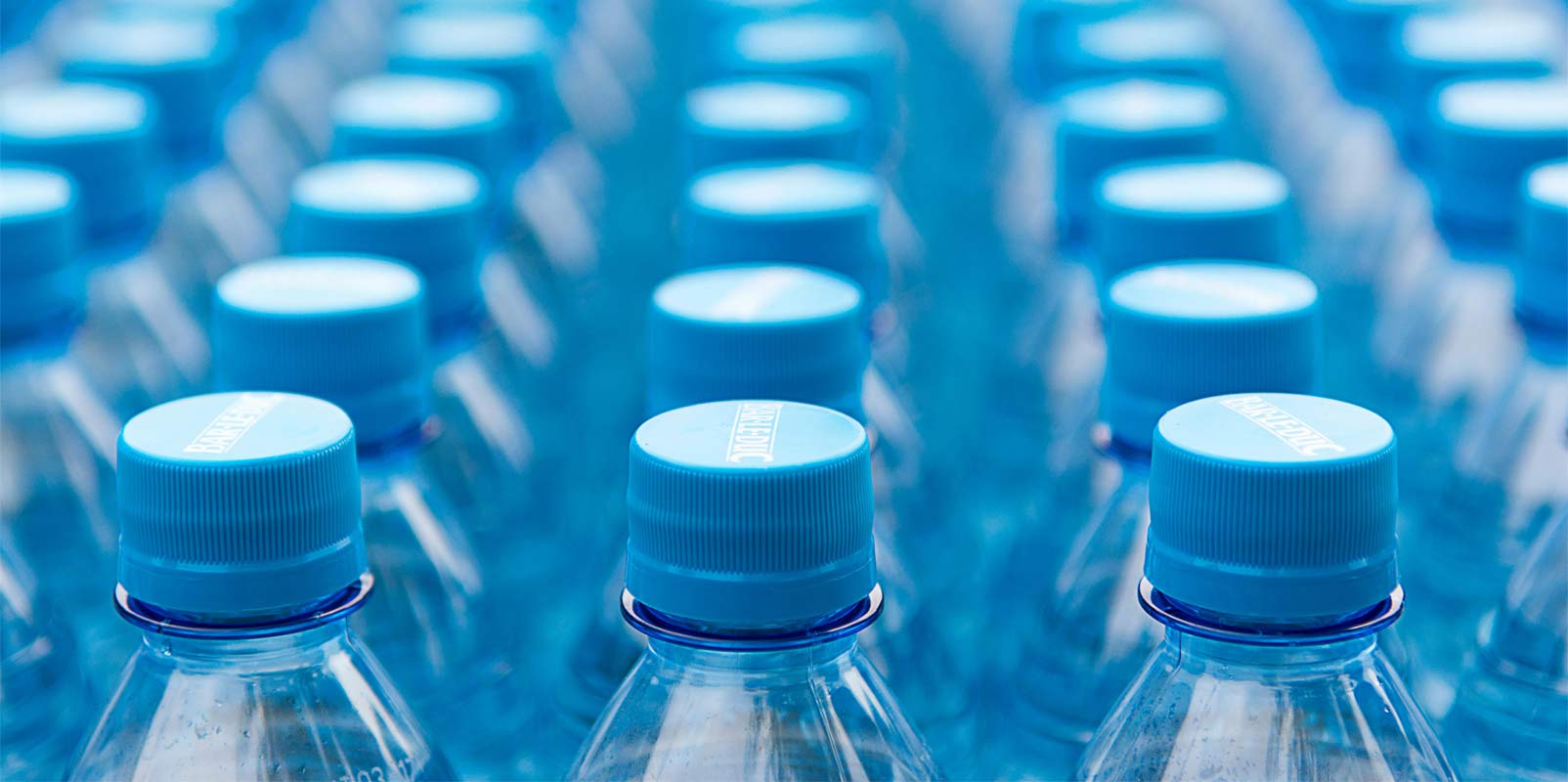
Plastics are everywhere-right from homes, hospitals, and offices to shopping malls. Our surroundings have enough plastic products that we need not to even think too much. Our toothbrushes, pen and everything packed in plastics is evidence of the fact that plastics drive an integral part of our lives in society. During the pandemic, the demand for PPE kits and face masks put emphasis on the importance of the plastics industry. One of the major associations of plastics is The Rajkot Plastic Manufacturers’ Association.
We spoke to Ketanbhai Makwana, Secretary of the Rajkot Plastic Manufacturers’ Association (RPA). He talks about the challenges for the industry, the role of the pandemic in giving a new shape to the plastics industry and more insights into the world of plastics.
Q1. What is your responsibility as an association?
Ans. As the Plastic Association, we facilitate the entire supply chain. We make sure that our clients are growing with us and that the manufacturing process is smooth. We also provide expertise and support to our members to set goals and achieve them.
Q2. What is the current state of plastics manufacturers and most significantly how did the pandemic change things for the industry?
Ans. We might have been recovering well from the pandemic-induced economic issues but for the plastic manufacturers it has been very challenging. The increase in demand has posed a major challenge for the manufacturers to amp the production scale thereby putting extreme pressure.
We need to understand that the majority of plastics companies aren’t well equipped with advanced technology and therefore lack a support system. If I speak about the current status of our industry then of course we have come back on track.
Our exports and imports business of moulds especially is back to its pre covid times functions. It is indicative of the fact that since the demand for plastics processors has picked up pace, the domestic as well as international market are benefiting.
During the covid, the demand for disposable hygienic plastic products increased drastically. It consequently increased the sales of single-use moulded plastic owing to the situation. In medical institutions like hospitals and clinics, the demand was especially high.
We realised the responsibility of manufacturing hygienic and disposable plastics during those pandemic days. It is an important lesson for the plastics industry that we learned.
Q3. How do you address climate issues owing to plastics?
Ans. I would like to highlight a very important aspect here. As the pandemic made us realise that we need to be aware of the consequences of our actions against nature, it also shed light on the fact that our life is highly dependent on the plastics industry.
The healthcare model in the country is highly dependent on plastics manufacturers. The demand for more single-use plastic surgical gloves, syringes, insulin pens, IV tubes, and catheters brought up the fact that we have to manufacture at high-speed catering to the health sector which is going through a crisis.
Having said that, the other side cautioned us that we can’t compromise on quality standards and that we need to find better ways to tackle the surge in demand. We keep on researching and finding ways to develop but we need more support from the government. We need awareness on upscaling the production, newness in the international market and more.
Keeping in mind the health and climate issues we need to grow together and for this plastics industry to get more support from the government. Regular programs on chemical-free solutions and conferences should organise highlighting advanced machinery and different ways to tackle the challenges.
Plastics are also a key component in the production, packaging and distribution of consumer essentials. Both sectors broadly require different types of plastic materials and resins.”
Q4. What are your views on recycling, one of the major challenges perhaps today?
Ans. I would like to quote a study I read recently, “National Geographic finds that, of the 8.3 billion metric tons of plastics produced, 6.3 billion metric tons is waste. Of that, only 9% has been recycled.”
It is predicted that by the year 2050, there could be 12 billion metric tons of waste in landfills and the oceans might contain more plastic waste than aquatic animals. It is shocking of course but not something we ever knew. While plastics recycling has been touted as a possible solution, programs are not being effectively launched.
According to an OECD report, plastics recycling is still not normal and companies are reluctant to do so. In such a scenario, current recycling rates for plastics are about 14 – 18% at the global level.
I ask what is the role of the government in educating us or giving us different possible solutions. We understand that plastics cause harm to the environment but then what possible solutions do we actually have? We have been already working on different programs that can help us turn the waste plastics into reusable stuff.
Hubballi industrialist sworn in along with new five-member team after Karnataka Small Scale Industries Association’s AGM BENGALURU, June...
More Details
Hubballi industrialist sworn in along with new five-member team after Karnataka Small Scale Industries Association’s AGM BENGALURU, June...
More Details
Hubballi industrialist sworn in along with new five-member team after Karnataka Small Scale Industries Association’s AGM BENGALURU, June...
More Details







