





Jul 30, 2026
Beyond Digitalization: Why Cognitization Will Define the Next Era of Supply Chains
Read More

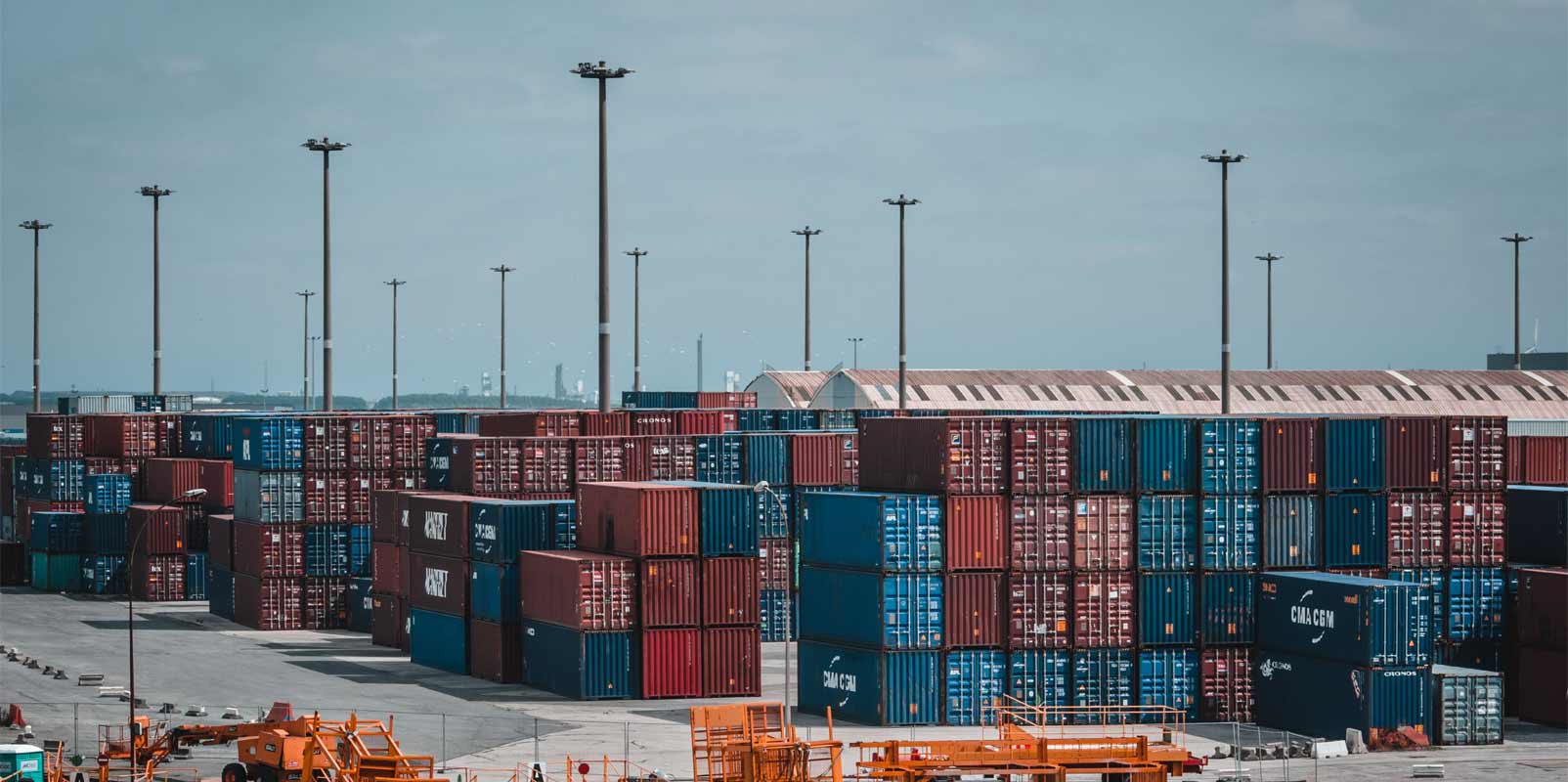
The logistics industry in the West is highly dependent on its digitization process. However, in Southeast Asia, where logistics operations are much denser, the lack of digitization is evident. One of the logistics sectors in SEA that could largely benefit from immediate digitization is the freight forwarding industry.
There are two acute results of the lack of digitization. Firstly, there is a gap in connecting the various segments of the logistics with the various agents running the freight forwarders. And secondly, the entire segment remains stuck in the SMB stage, unable to move forward.
Bridging a Fragmented Industry
The overall logistics sector in SEA is highly fragmented, and this is one of the particular reasons why it is tough to enable digitization unlike in the West. In America or Europe, the freight forwarders are managed by large corporations with their private APIs. All ends of the logistics segment that deal with freight forwarders can tap into the API and establish end-to-end digital connectivity.
In Asia, there is a major lack of synchronicity. Even if digital systems exist for the logistics segment, they are very segment-specific, and a wide array of customs policies and accounting practices make it difficult to establish horizontal connections. This is why most players are still dependent on Excel and direct communication methods.
There are, however, startups that are working on the scene to develop solutions to these problems. FR8Labs, based in Singapore and Indonesia, is working on establishing an ERP system that will take care of end-to-end digitization requirements for freight forwarders and establish seamless connectivity. The startup has also been able to raise funding from East Ventures.
Tech is Crucial to Logistics
Be it increasing productivity or ensuring cost-effectivity, tech is the only way forward. The SEA logistics segment is one of the largest in the world, and the only reason it remains highly segmented is because of the lack of the right technology. There also exist other challenges, such as moving a highly undigitized crowd to a new landscape of software-based operations, and also navigating the varied regulations across territories. But, with the right approach and innovation, the gap can definitely be bridged.
Addressing Regulatory Challenges
While the lack of synchronicity and fragmented nature of the Southeast Asian logistics sector impedes digitization, regulatory challenges pose an additional hurdle. Navigating through a multitude of customs policies and varied accounting practices across different territories in the region complicates the establishment of a standardized digital infrastructure. To achieve comprehensive digitization, it is essential for industry stakeholders and regulatory bodies to collaborate on creating harmonized policies that facilitate the seamless integration of digital systems throughout the logistics chain.
Educating the Industry to Overcome Resistance to Digitization
The resistance to embracing digitization within the logistics industry in Southeast Asia stems from a highly undigitized crowd accustomed to traditional, manual operations. Addressing this challenge requires a concerted effort in educating stakeholders about the benefits and efficiencies brought about by technology. Initiatives aimed at training industry professionals, from freight forwarders to logistics managers, can play a pivotal role in facilitating a smooth transition to a new landscape of software-based operations. By fostering a digital mindset and enhancing digital literacy, the industry can unlock the full potential of technology in driving logistics efficiency.
Collaborative Initiatives for Digital Transformation
The journey toward digitization in the Southeast Asian logistics industry necessitates collaborative initiatives involving not only startups like Fr8Labs but also established players, industry associations, and government bodies. Creating an ecosystem that encourages knowledge-sharing, innovation, and standardization will foster the development of holistic solutions. Government incentives, such as tax breaks for adopting digital technologies, can further motivate companies to invest in digitization. By fostering a collaborative environment, the industry can collectively work towards overcoming the challenges and ensuring a more streamlined and tech-driven future for logistics in the region.

For years, supply chains were designed with one goal in mind: efficiency. Companies optimized costs, streamlined logistics, and...
More Details
The U.S.–China relationship has evolved far beyond a traditional tariff dispute. What began in 2018 as a trade...
More Details
The macroeconomic paradigm shift we are witnessing globally—characterized by an aggressive pivot toward agentic AI workflows, decentralized computing...
More Details







