





Jul 30, 2026
Beyond Digitalization: Why Cognitization Will Define the Next Era of Supply Chains
Read More


Tamil Nadu’s industrial story is usually told through large plants and big investments. In districts such as Vellore, much of the economy runs on micro and small units that depend on bank credit, quick approvals and a stable administrative base. When that base shifts, these are the first businesses to feel it.
That is the concern raised by MV Swamynatthan, President of the Vellore District Micro and Small Entrepreneurs Association (VDMSEA), about the district today.
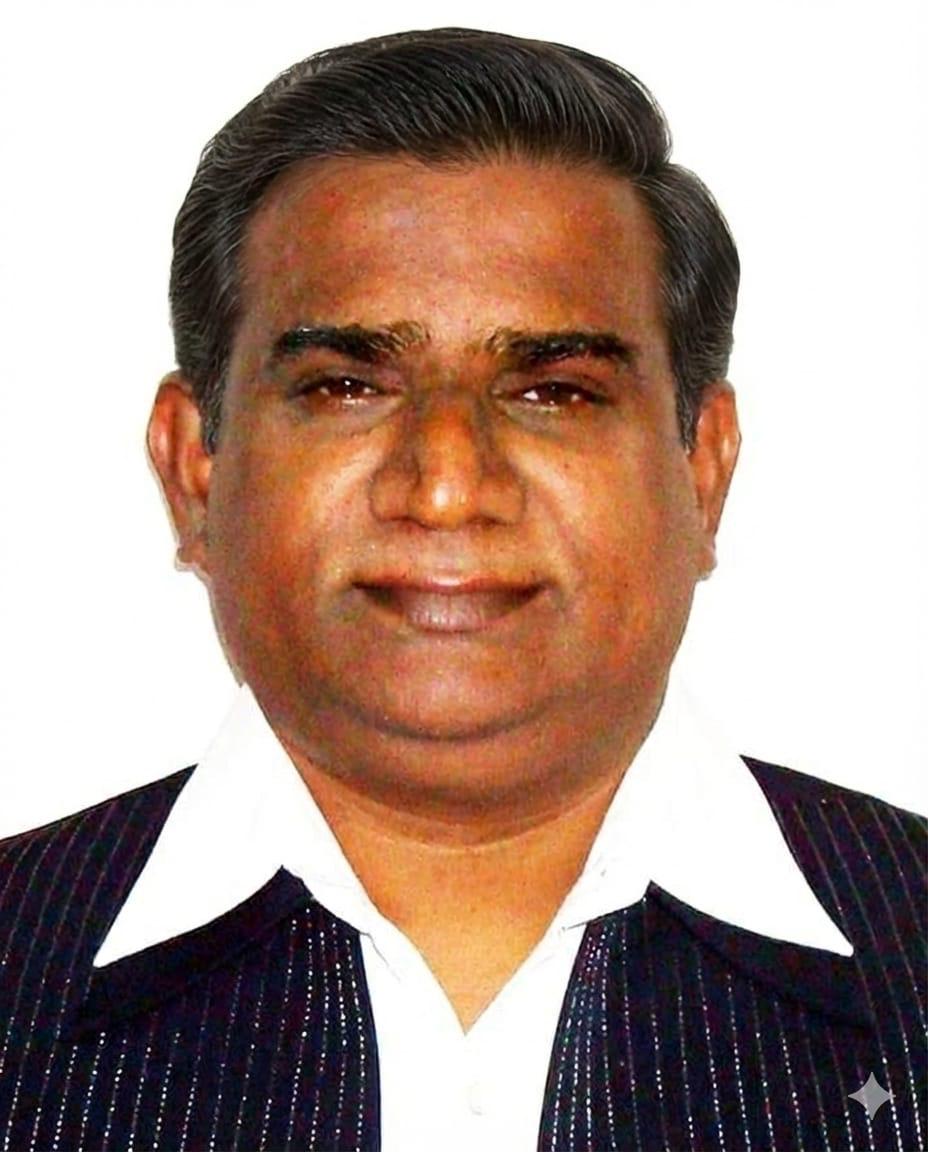
The Split Left Micro Units Without A Base
Vellore district was divided into three in 2019, with the new districts announced in August and formally declared in November. Tirupattur took the Tirupattur, Vaniyambadi and Ambur taluks, while Ranipet, known for its SIPCOT complex and a BHEL ancillary unit, became a district of its own.
Swamynatthan explains that when Vellore was one district, its entrepreneurs worked from a common footing. Since the split, almost everyone has faced bigger problems. What remains in Vellore has no large industries to fall back on, only micro-level units, and only a few of them are surviving.
Even before the split, he points out, Vellore city did not drive industry. Ambur, Vaniyambadi and Gudiyatham were the industrial centres, while Vellore served mainly as the administrative headquarters. The separation of Ranipet has not hurt local businesses, because most of the work was already happening in and around Ranipet.
Credit Rules Have Eased, but Small Units Still Wait for Banks
Bank support is the first gap he names. According to Swamynatthan, banks are not coming forward for small entrepreneurs, and no real support reaches them. The single window system exists only in name, and corruption adds to the delay and cost of getting anything done.
On paper, policy has moved the other way. Under the Reserve Bank of India’s Master Direction of 9 February 2026, scheduled commercial banks must not take collateral security on loans up to ₹20 lakh to micro and small enterprises, and the credit guarantee ceiling has been raised to ₹10 crore. For a micro entrepreneur in Vellore, the test is whether these provisions reach the branch counter.
An Estate the Association Asked for, and Demands Still Pending
The association has not only listed problems. It has also put demands to the government. In March 2023, Swamynatthan, then State Joint Secretary of the Tamil Nadu Small Industries Association (TANSTIA), told the Tamil daily Ullatchi Murasu that his group had met the Chief Minister during a visit to Vellore and asked for a new SIPCOT industrial estate for the district’s micro and small units.
The state Budget for 2023-24 answered part of that request. It announced four new industrial parks in Virudhunagar, Vellore, Kallakurichi and Coimbatore, at an estimated cost of ₹410 crore. Swamynatthan welcomed the move and said it should improve Vellore’s micro and small industries and raise employment. He also welcomed a non-leather footwear unit planned for Ranipet, which he expected to create more jobs for women.
Two other demands in the same petition drew no announcement, and he expressed disappointment at the time. One was a welfare board for micro, small and medium entrepreneurs, a demand pending for many years. The other was a Tamil Nadu industrial insurance scheme to protect small units.
Hospitals Fill the City But Not Local Business
Vellore is known for its hospitals and the visitors they bring. Swamynatthan notes that this has not strengthened the circular economy for local business owners. The benefit has stayed with a few rooms and lodges that convert into stay facilities for patients’ families.
Ambur’s Leather Cluster Carries World Fame and High Costs
Ambur is the largest leather cluster in India and is known across the world, he says. Its business is leather and leather goods alone. Today it sits in Tirupattur district, which makes the loss to Vellore’s own base more visible.
The cluster carries heavy pressures. The Palar river basin has 449 tanneries that contribute around 35% of India’s leather export earnings, and they discharge an estimated 20 million litres of effluent each day, much of it untreated, according to Dialogue Earth’s reporting. The Supreme Court ordered leather units in 1996 to install common effluent treatment plants or face closure. The Tamil Nadu Pollution Control Board enforces some of the strictest pollution norms in the country, which makes treatment systems a high and continuing cost for small units.
Distance adds to the bill. Ambur lies about 188 km and four hours by road from Chennai, so every export consignment carries freight and time on top of production cost. Together, these issues limit how far the cluster can grow, even with its reputation.
Land for Industry Competes with Farmland
The estate that the association sought now brings its own question. Land is being acquired under the Tamil Nadu Acquisition of Lands for Industrial Purposes Act, 1997, for the SIPCOT industrial park and approach road at Magimandalam in Katpadi taluk, and the visible extent on the Vellore side is around 68 acres. Farmers and residents fear the loss of fertile land and of their livelihood, and some allege they were not consulted properly.
For a district short of industry, this is a real dilemma. Land that could host a factory is often land that already feeds a family.
Honey has a national market and a proven model in Tamil Nadu
This is where Swamynatthan sees honey. If industries do not work in Vellore, he says, the district can at least promote its agrarian society. Honey has long-term demand, and beekeeping and bee-growing already exist in the district, though they have never been implemented fully.
The wider market supports his view. India is now the second largest honey exporter in the world after China, up from ninth place in 2020, according to APEDA and Crisil data cited by the government. Almost 70 per cent of the honey India produces is exported, worth $208 million in 2025-26. The National Beekeeping and Honey Mission, which ran from 2020-21 to 2025-26 with an outlay of ₹500 crore, has played a major role in this growth.
Tamil Nadu already has a working cluster to learn from. The Marthandam region of Kanyakumari district has about 20,000 beekeepers managing 2 lakh beehives and producing over 2,500 tonnes of honey a year. Awareness is a different story in the north. Beekeepers in Tamil Nadu say awareness of beekeeping is lower in the north than in the southern districts.
What Farmers Need is Training, Processing, and a Market
Swamynatthan’s idea is to convert agriculturists into micro-entrepreneurs. The investment needed is small, and the main task is to help farmers grow bees. A honey cluster would not take farmland out of use. It would add income to it.
Support structures already exist. Tamil Nadu Agricultural University offers a free one-week beekeeping training for small and marginal farmers with central funds. The National Bee Board has supported training across 19 districts of the state through Krishi Vigyan Kendras and agricultural colleges. TNAU also runs a Krishi Vigyan Kendra at Vellore, which gives the district a local training base.
The weak link is often what happens after the harvest. A KVK survey among farmers in Salem district found that many knew beekeeping but lacked knowledge of honey processing and the use of an extractor. TNAU specialists have also suggested beekeeping-specific Farmer Producer Organizations to market bee products effectively. The Madhukranti portal now supports online registration and traceability of honey and other bee products.
The funding record shows the difficulty. Swamynatthan says that of one crore sanctioned, only 70 lakh has been released. Large funds, he adds, are being released elsewhere, but only a select few reach small enterprises.
For a honey cluster to take shape, the support he describes has to reach small farmers first, from bank credit to timely release of sanctioned money.

Hubballi industrialist sworn in along with new five-member team after Karnataka Small Scale Industries Association’s AGM BENGALURU, June...
More Details
Hubballi industrialist sworn in along with new five-member team after Karnataka Small Scale Industries Association’s AGM BENGALURU, June...
More Details
Hubballi industrialist sworn in along with new five-member team after Karnataka Small Scale Industries Association’s AGM BENGALURU, June...
More Details