





Jul 30, 2026
Beyond Digitalization: Why Cognitization Will Define the Next Era of Supply Chains
Read More

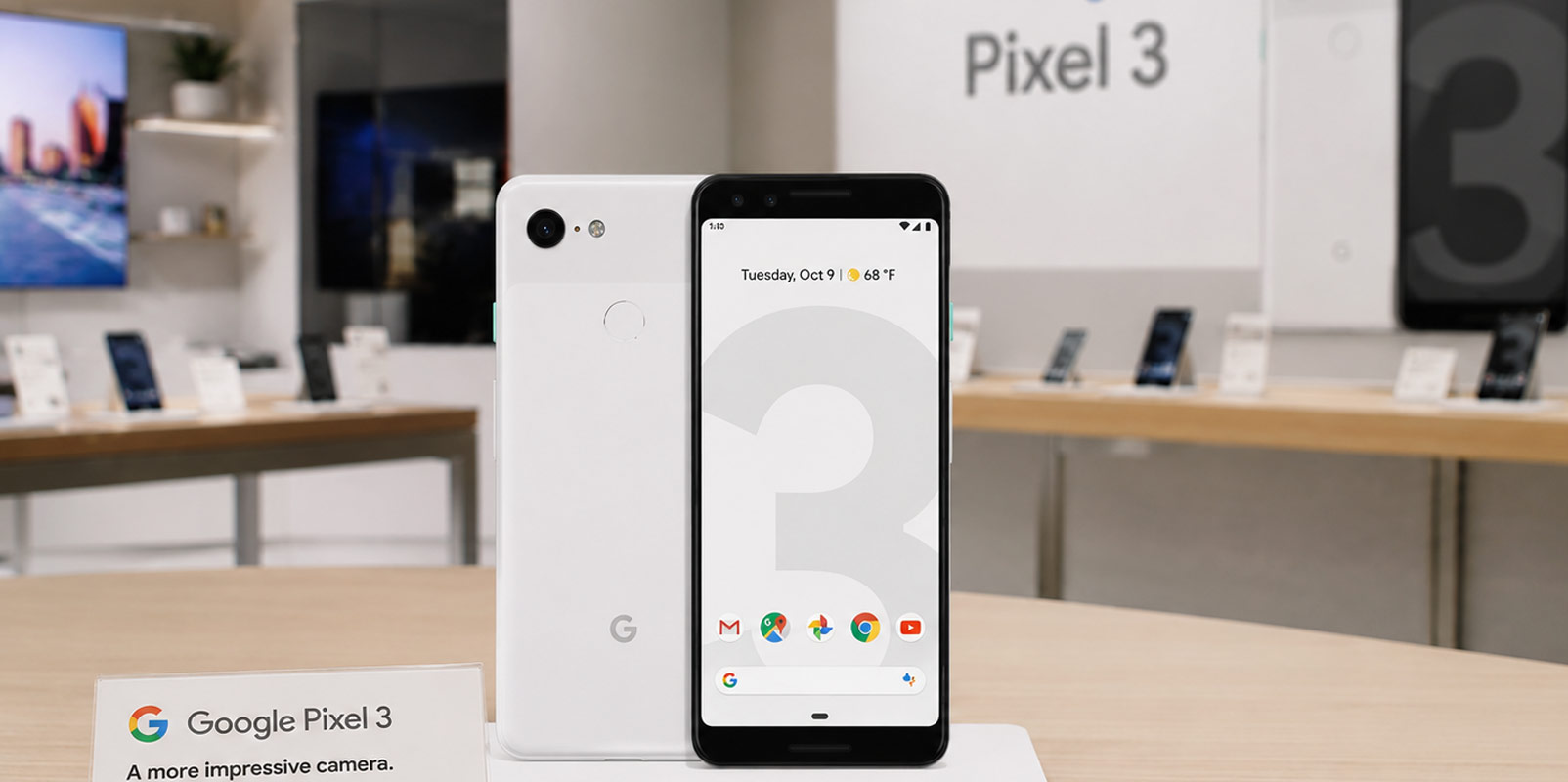
The Google Pixel 3 and 3 XL were launched yesterday at a global event. Google’s third tryst with smartphones reveals that the new Google Pixel is all about the true AI under the hood, and one that is integral to winning the smart home of the future.
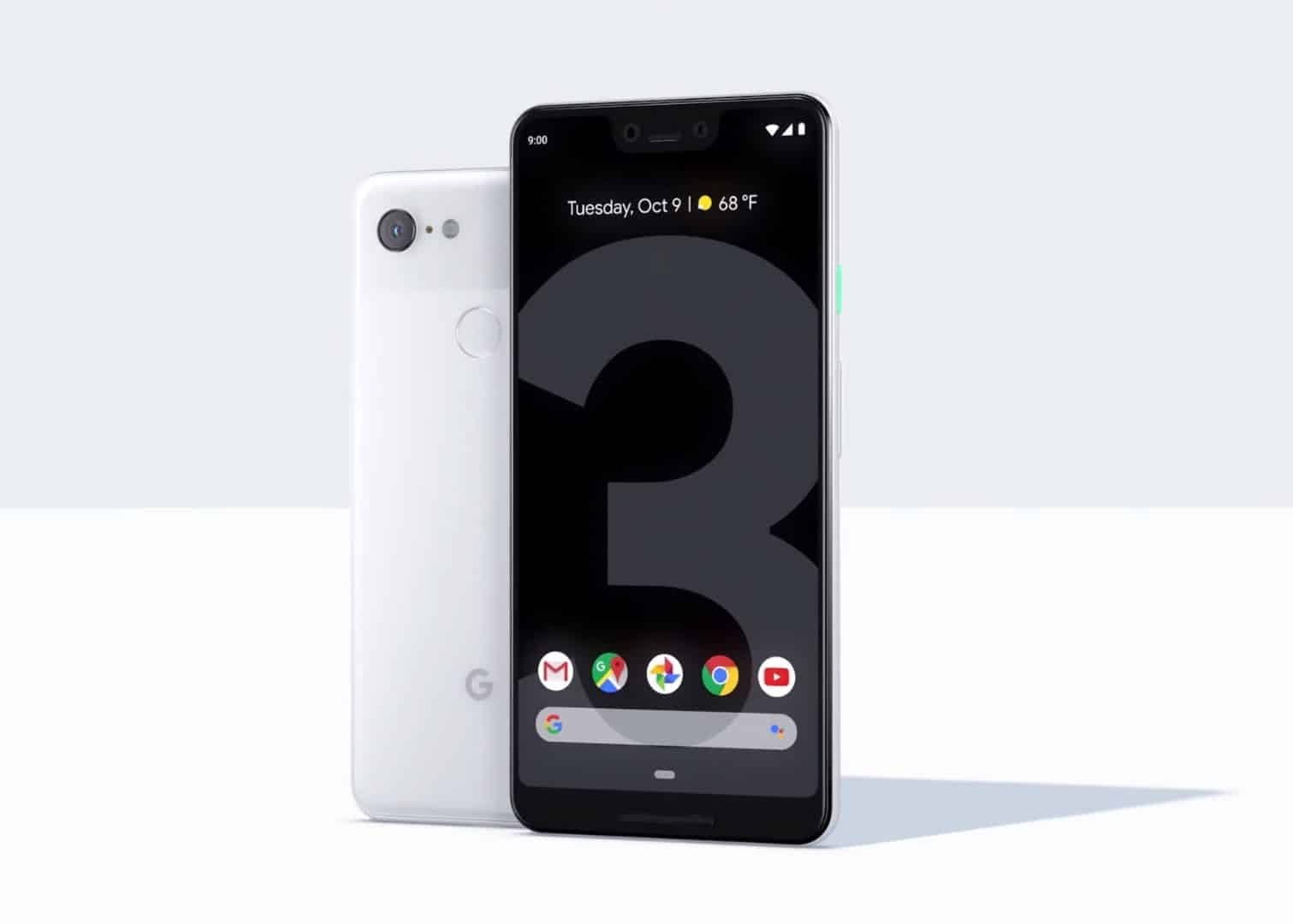
1. The Pixel 3 is integral to Google’s strategy for the connected smart home.
When it comes to the connected smart home, the Pixel 3 is a critical component to Google’s strategy. It is true that Google is already present across the device ecosystem, but rather than riding on others, the Google Pixel helps ensure that Google takes control of one more key gateway into the smart home. Google’s hardware play has come up with some interesting devices, which when put together, makes more sense to Google’s strategy.
2. The Pixel 3 underlines that it is all about whats on the inside, and not hardware alone.
The Google Pixel 3 is a strong testament to the fact that Google is pulling away from the competition merely on the basis of their software and AI strengths. Google is smartly integrating AI into the device, whether it be for efficiency gains or significantly better camera experience. In the smartphone sea of sameness, where the hardware is no longer the key differentiator, and where AI is just another buzzword for smartphone brands, Google smartly marries their machine learning algorithms and software with their hardware.
Many of the new AI-powered features on Pixel, including camera features like Top Shot, Photobooth, and Lens suggestions, are processed on-device. AI on-device means these experiences are fast, and use less battery.
In addition, the Google Assistant is baked into Pixel 3 to help one find answers and control the Pixel 3 just by using voice. The Pixel 3 advances on the digital wellbeing suite, including a dashboard to help one understand how one spends time on the phone, the ability to set time limits on specific apps, among other features.
Lastly, the Pixel 3 comes with AI-powered Adaptive Battery that prioritizes battery power for one’s most important apps to make the phone last all day.
3. Unfortunately, the premium positioning does not help, Google should have aimed at aspirational premium segment.
Google’s continued persistence in positioning its Pixels as premium Smartphones, pits them against the likes of Apple and Samsung. While Google may tout its GoogleAI and Camera capabilities, the market realities will continue to weigh against them. The harsh truth is that the Pixel brand story is still a work-in-progress.
From its very initial foray into smartphones with the Nexus, Google has not had a sharp focus on hardware, instead being content with pushing Android OS. While the move helped Android become the most significant OS in the world, Google’s lack of focus on building critical supply chain partnerships, or the in-house talent, meant it did not have the depth to build great smartphones with must-have features, or even so, to scale-up to meet potential consumer demand.
Google should, instead, have focused on positioning the Pixel in the aspirational premium smartphone segment, against the likes of OnePlus, Oppo, Vivo and others. The Pixel 3 would have been able to eat into the market share of such brands with such aggressive pricing.

At Autodesk University 2026, Autodesk outlined a vision for AI that goes beyond adding copilots to professional applications....
More Details
India’s smartphone market is undergoing a structural shift in storage preferences, driven by rising premiumization and the rapid...
More Details
If you are currently sitting on the fence about building a new PC, upgrading your workstation, or replacing...
More Details







