





Jul 30, 2026
Beyond Digitalization: Why Cognitization Will Define the Next Era of Supply Chains
Read More

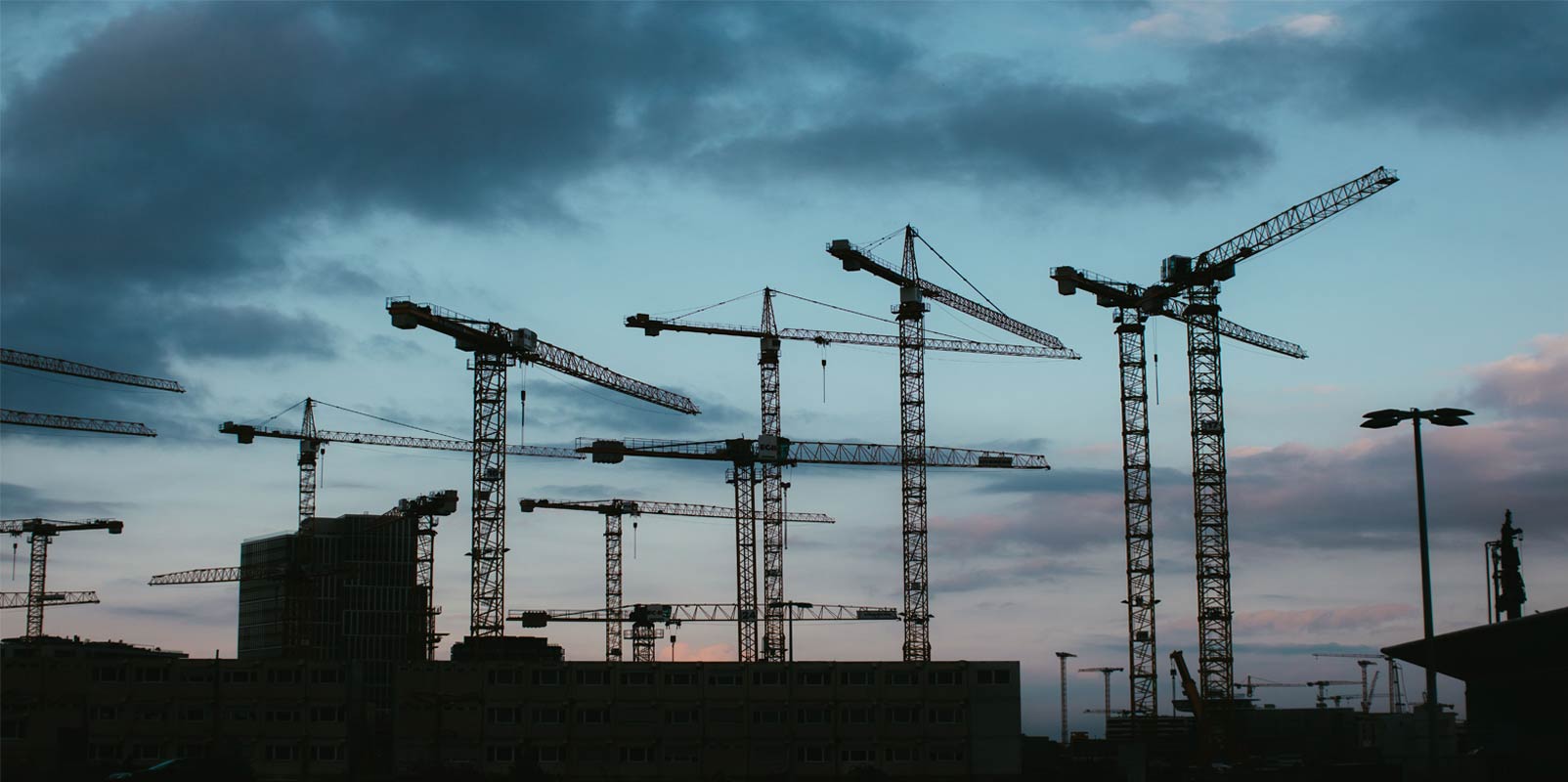
The Middle East is seeing unprecedented growth in the construction industry, and the latest digital technologies are driving it. With these advancements, the projects are becoming more cost-effective, less time-consuming and sustainable.
Middle Eastern and North African countries are ideal for digitizing as governments have been moving away from the crude oil economy. The region’s spending in the information technology sector reached $171.34 billion in 2020 and will grow to $177.94 billion by the end of 2022. The infrastructure and construction projects in GCC and North African countries were valued at $3.2 trillion by the middle of last year.
Though BIM, or Building Information Modeling, has been in vogue in large-scale vertical structures, it is also increasingly being adopted in infrastructure projects. BIM, along with advanced tools like the Internet of Things, is becoming mainstream and is one of the building blocks of any construction project now.
Gulf Cooperation Council (GCC) countries that already have some of the world’s most iconic buildings are planning to develop digital twins of these structures, which will be part of digital cities. There are also business opportunities here, as Dubai is moving fast towards Metaverse and planning to develop digital spaces where users can interact, spend digital currencies, and own assets on the blockchain.
Digital modeling of construction projects saves energy and hassle for engineers and allows owners to have a realistic view of structures and the touch and feel of spaces. With digitalization, it is easier to get information on indoor air quality and energy consumption, which will allow engineers to make modifications, if needed, to adhere to local standards. Digital twins reduce the number of site visits and clashes among architects, engineers, contractors and owners and avoid costly rebuilds.
Digitalization in construction saw an uptick during the pandemic, and though the Covid threat has mostly passed, users, particularly the youngsters, want a digital experience of buildings. BIM and digital solutions have already been used in the Museum of the Future in Dubai, a low carbon footprint civic building with passive solar architecture that consumes less energy and water.
There are definite advantages with BIM, though several builders are yet to adopt it. Those who have made BIM part of their project execution say that this technology’s return on investment is over 50%. The others also feel that it would definitely benefit their projects.
Several countries in the Middle East have policies in place for the construction industry. The United Arab Emirates has made BIM mandatory for buildings above 20 storeys and covering an area of over 2,00,000 sqft. While UAE has The National Guide for Smart Construction, Saudi Arabia has the Building Technology Stimulus Programme.
Smart technologies are believed to be the solution for housing-related issues in the region as they make the execution of projects faster, reduce costs and improve the quality of structures. But the hurdles in embracing these technologies are the lack of qualified professionals, the large investment needed for hardware and software and the time required to build digital twins of construction projects.

For years, supply chains were designed with one goal in mind: efficiency. Companies optimized costs, streamlined logistics, and...
More Details
As India’s food service sector races to digitise, point-of-sale technology has moved far beyond the billing counter —...
More Details
The U.S.–China relationship has evolved far beyond a traditional tariff dispute. What began in 2018 as a trade...
More Details







