




Jul 30, 2026
Beyond Digitalization: Why Cognitization Will Define the Next Era of Supply Chains
Read More

Bangalore India’s premier diversified / technology, telecom (and entrepreneurship) research firm CyberMedia Research expects the India telecom services and mobile handsets market to grow at 16.7% in 2012 (over 2011) to touch revenues of Rs 288,832 crore or USD 63 billion. Of this, the telecom services (including mobile and fixed line services) will contribute Rs […]
Bangalore India’s premier diversified / technology, telecom (and entrepreneurship) research firm CyberMedia Research expects the India telecom services and mobile handsets market to grow at 16.7% in 2012 (over 2011) to touch revenues of Rs 288,832 crore or USD 63 billion.
Of this, the telecom services (including mobile and fixed line services) will contribute Rs 2,05,454 Crore (USD 45 billion) in 2012. The India mobile handsets market, that includes featurephones and smartphones, will grow at over 30 percent during 2012 to touch revenues of Rs 83,377 Crore (USD 18 billion).
This has been revealed by CMR’s 2-part study of the India ICT Industry titled “India IT, ITeS and Telecom Services and Mobile Handsets Industry MarketView 2011”.
In the five year period between 2010 and 2014, the India Telecoms industry will grow at a CAGR of 15.8% to touch revenues of Rs 3,77,683 Crore or USD 82 billion.
1) Mobile Telecommunication Services include voice telephony services, data services and VAS.
2) Fixed-line Telecommunication Services include PSTN, leased line, IP-VPN, WLL, xDSL and other services.
3) Mobile Phones include featurephones and smartphones.
4) Spends on Telecoms Network Infrastructure and Tablets not included.
According Anirban Banerjee, Associate Vice President, CyberMedia Research,
“The Telecoms growth story will be a function of the enhanced demand for high speed broadband and data services from both enterprises and consumers, as 3G and BWA / WiMax services are rolled out by various operators to cover an increasing number of cities and towns,”
The growth in the India domestic mobile handsets market will be fuelled by a more than 150% increment in the value of featurephones and smartphones shipped, from Rs 50,714 Crore in 2010 to Rs 1,28,729 Crore in 2014.
The India Telecom Services sector may see policy changes that could result in market consolidation over the next few quarters.
The key highlights of CMR’s MarketView 2011 for the India Telecoms Services and Products market are as follows:
1) The major growth drivers for the Telecom Services segments would be launch and roll-out of 3G and BWA / WiMax / LTE services and the consequent growth in usage of high speed broadband, VAS and data services.
Establishment of 3G and BWA (WiMax and Long Term Evolution or LTE) will have a positive impact on the India market; however, broadband content will remain in early stages of development through 2011.
With the allocation of 3G and BWA spectrum and rollout of services by private as well as incumbent operators, WiMax/LTE will help in overcoming the infrastructure issues in the country as well as deliver enhanced performance to end-users.
In terms of broadband content, 2011 will witness early stages of development. However, as WiMax / LTE services gain in popularity, content creation and mobile application development will witness increased focus by vendors, developers and service providers looking to build their own portfolio of unique ‘apps’.
Other high growth Telecom Services areas include IP-TV, IP-VPN, VoIP, Mobile VAS etc. on.
2) India Telecom Products (mobile handsets) segment will witness a high growth rate of 26.2% CAGR over the period 2010-2014 to touch Rs 1,28,729 Crore in 2014.
The smartphones market in India is expected grow to over 10 million units in 2011 from 6 million units in 2010. The Android Operating System will continue to gain acceptance as a mobile operating system (OS) and 12% of all smartphones shipped in India during 2011 are expected to be based on the Android platform.
The ‘early adopter’ phenomenon in media tablets will become visible in India in 2011, but will fight shy of becoming mainstream. CyberMedia Research expects over 1,00,000 Tablets to ship in 2011 alone, based on the current portfolio of players like Samsung, Apple, Olive and others. However, media tablets in their present form and currently prevailing price points are unlikely to excite the large majority of consumers. A ‘game changer’ in this space could happen in late 2011 / early 2012 if a players such as Reliance Infotel introduces a ‘mass market’ Tablet priced lower than Rs. 10,000 per unit.
Backgrounder on Smartphones:
“Smartphones are mobile devices with evolved operating systems, that include Symbian Series 60, Android OS, iPhone OS, Blackberry OS, Linux among others,” according to Siddharth Neri, Analyst, Mobile Devices Research, Telecoms Practice, CyberMedia Research.
In addition to voice capability these devices have the ability to download and run applications, and store user data beyond their required personal information management capabilities.
These devices are able to synchronize with a desktop or laptop computer. Smartphones offer users PC-like functionality. These phones have ended the need to carry a separate PDA (Personal Digital Assistant) and a mobile phone. Examples of present day smartphones include the Apple iPhone 4, Motorola Milestone, HTC Desire, Samsung Galaxy, Blackberry Curve etc.
Users can browse the Internet, check mail, blog, share photographs, update their status on social networking sites, play games, download applications with their smartphones. Till the end of 2010, a top-end smartphone used to be equipped with a 1GHz processor. Starting 2011, with the use of dual core processors in smartphones, these devices have become more powerful as compared to their predecessors.
“Going forward these devices will become as powerful as present day laptops”, adds Naveen Mishra, Lead Analyst, Telecoms Practice, CyberMedia Research.
Smartphones like Motorola Atrix 4G, LG Optimus X2 use dual core processors. A dual core processor is a combination of two 1 GHz processors, which can be used in parallel giving more power and speed to the device. Though these processors enable more power but a smartphone’s overall performance still depends on the integration of its software with its hardware. For example, how closely the phone’s software and applications are able to interact with its hardware taking out the maximum advantage of hardware abilities of the phone. The best example is Apple iPhone 4, which runs on a single core processor but is able to take full advantage of its hardware abilities.
Some of the applications where multi-core processor based smartphones can provide a boost to usage are Gaming, Autostereoscopic 3D enabled handsets, video streaming, HD (high definition) video recording and playback, video conferencing, HDMI user interface.
Autostereoscopic technique is a method of displaying images with perception of 3D depth without requiring the viewer to wear any glasses. This activity needs extra power and the new generation of smartphones is able to deliver this.
The dual core smartphones will also allow users to play advanced games, which need more power. Users will be able to enjoy games or videos on a bigger screen by connecting the smartphone output to an HDTV through HDMI ports. Again, the increased power of a new generation smartphone will prove helpful in running HDMI applications.
Dual-core processors will enable full HD video playback and recording at 1080p resolution, which is a big leap forward from the 720p video playback currently available in top present day smartphone models. Beyond full HD support, dual-core processors would enable smartphones to run more demanding applications like videoconferencing and video streaming. These smartphones will also provide a significantly higher speed and performance for multitasking in comparison to ‘first generation’ smartphones.
The market is expected to witness more excitement on the CPU front, with the launch of multi-core processor based smartphones by a number of mobile phone vendors by end 2011.
CyberMedia Research conducts the Budget Smartphones Channel Audit to capture the perspectives, preferences, challenges and dislikes of retailers around ‘value for money’ (INR <10,000) smartphone brands, capturing a compelling picture of smartphone brands in the market.
CMR offers industry intelligence, consulting and marketing services, including but not limited to market tracking, market sizing, stakeholder satisfaction, analytics and opportunity assessment studies.
Its bouquet of consulting services includes incubation advisory, go-to-market services, market mapping and scenario assessment services. CMR is servicing domestic as well as international clientele in India and few global destinations. The clientele serviced represents SMBs, Large Enterprises, Associations and Government. CMR’s core value proposition encompasses a rich portfolio of syndicated reports and custom research capabilities across multiple industries, markets and geographies. For details on the survey findings, ping Satya Sundar Mohanty at smohanty@cmrindia.com, or call +919821690824.
A part of CyberMedia, South Asia’s largest specialty media and media services group, CyberMedia Research (CMR) has been a front-runner in market research, consulting and advisory services since 1986. CMR is an institutional member of Market Research Society of India (MRSI).
No posts found!

CyberMedia Research (CMR)
SKU: CMR-ADAS-37617
Connect with our analysts to understand how these
trends impact your specific vertical.
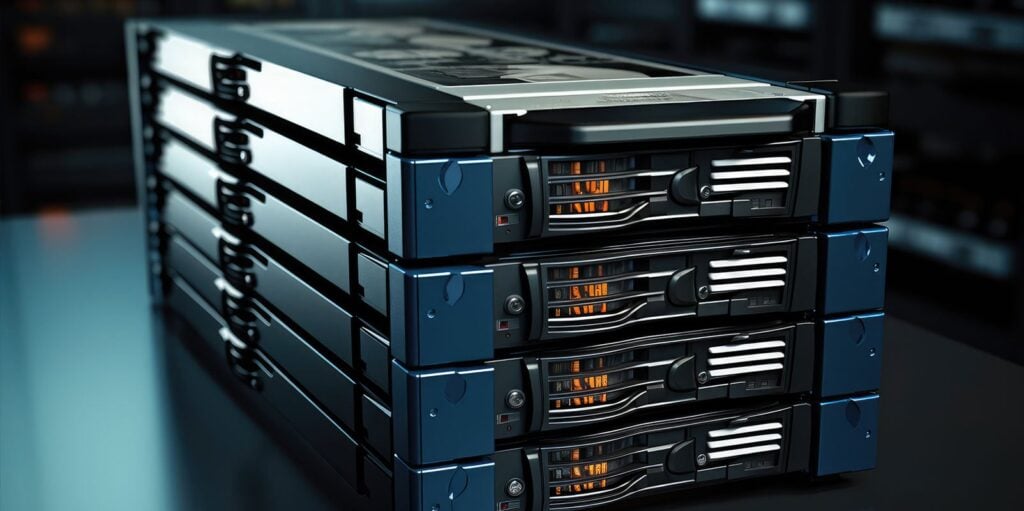
Gurugram/New Delhi, July 01, 2026: India’s HDD storage market is witnessing renewed momentum, driven by growing demand for...
More Details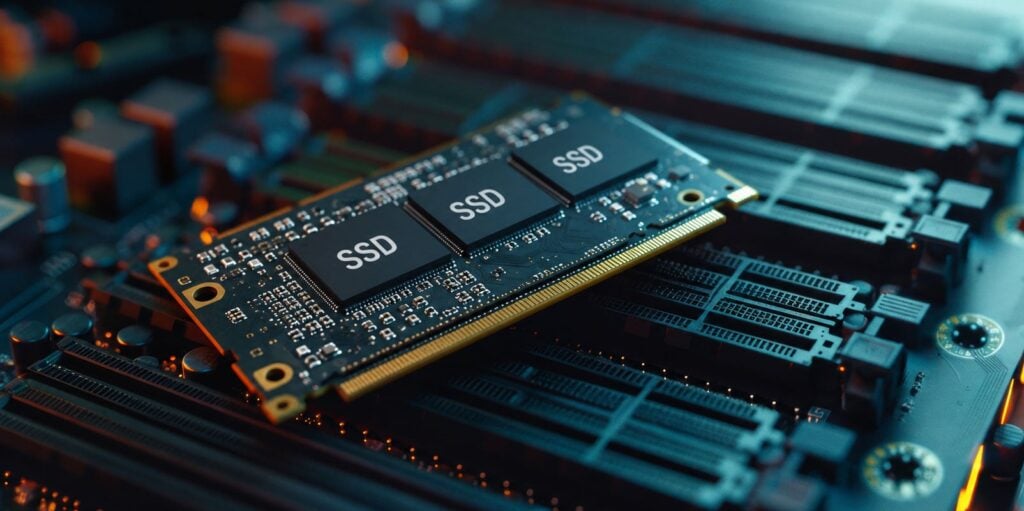
Gurugram/New Delhi, June 29, 2026. India’s consumer SSD market witnessed a significant correction in Q1 2026 amid rising...
More Details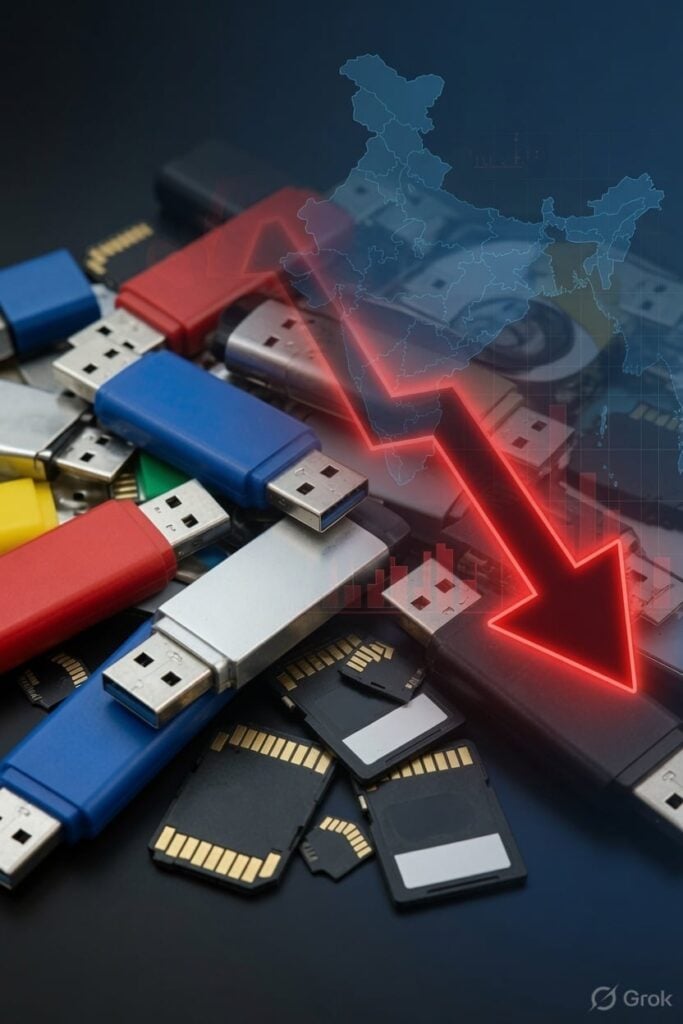
Gurugram/New Delhi, June 26, 2026: Evolving supply strategies and memory pricing pressures impacted flash device shipments in Q1...
More DetailsComprehensive analysis and data-driven insights to help you navigate the evolving global market landscape.
Navigating enterprise AI transformation and ROI.
Explore
Mapping mobility technology, markets, and adoption.
Explore
Decoding consumers, markets, and technology dynamics.
Explore
Research for connected, resilient supply chains.
Explore
Strategic insights across cloud, infrastructure, and IT.
Explore
Strategic research across technology, connectivity, and markets.
Explore
Actionable intelligence on India’s small businesses.
Explore
Tracking markets, innovation, and demand shifts.
Explore
Welcome Back 👋
Sign in to access your account and continue where you left off.
Welcome aboard 🚀
Create your account to access everything you need.
newsletter subscription
Do you have a specific requirement to engage with a particular community? Then we’ll be glad to devise a custom program just for you. Please fill the form below and we’ll contact you as quickly as possible.
newsletter subscription
Get a curated mix of deep-dive research and real-time market signals.
See what’s next. Act with confidence. CMR combines market intelligence, strategic advisory, original research, and industry engagement to help organizations navigate change and accelerate growth.
Fill out the form below and we’ll connect our analyst

Access real-time industry intelligence, expert analysis and strategic insights to stay ahead of market shifts and competitive dynamics.
Expert guidance to help you navigate complex business challenges and accelerate your growth trajectory.
Leverage our deep industry knowledge to create high-impact marketing campaigns that resonate with your target audience.









