


Micro, small and medium enterprises employ millions of people and anchor local industry in towns and cities across India. Yet the smallest units often struggle with the same basic problems: raising finance, adopting technology, reaching export markets and getting formally recognised. The Ministry of MSME, Government of India, runs several schemes to close these gaps, and its field offices carry them to entrepreneurs on the ground.
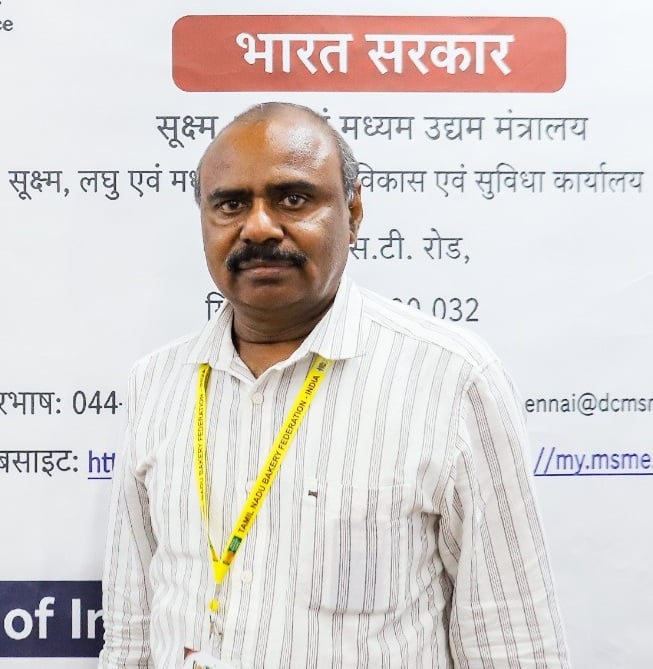
In an exclusive interview with CMR India, C. P. Reddy, Assistant Director, MSME Development and Facilitation Office – Chennai, spoke about where these efforts stand in Tamil Nadu and what still holds small businesses back.
Collateral keeps the smallest entrepreneurs out of the loan system
Asked about the hurdles MSMEs face in getting bank finance, Reddy said there are many, but one stands out. “Whatever loan is provided by the bank, the bank wants collateral security,” he explained. For a small entrepreneur, that is often out of reach. “People are not able to provide the required collateral security to the banks,” he said, and this is why micro-level entrepreneurs find it hard to enter the process of getting a loan from financial institutions. “The major hurdle is collateral security.”
A subsidy to help traditional units go digital
For traditional enterprises looking to adopt digital technology, Reddy pointed to the ministry’s ICT scheme, short for Information and Communication Technology. Under it, the government is arranging the latest software and apps for small entrepreneurs and offering a subsidy to acquire them. The intent, he said, is to make entrepreneurs aware of current technology and help them adopt it.
Registration is online, quick, and needs only Aadhaar
On bringing informal units into the fold, Reddy said the registration process has been made deliberately easy. An entrepreneur does not need to visit any office. “He can sit in front of a computer,” he said, and with an Aadhaar number and the Aadhaar-linked mobile number in hand, “within five to ten minutes, our MSME registration is done.”
He stressed that registration is the basic document for availing every MSME scheme, incentive and subsidy, whether from the state or the central government, and encouraged more units to register.
He also had a warning. Entrepreneurs must make sure they use the correct government website, because other sites may ask for money. “MSME registration is free. Free for all,” Reddy said. “No question of paying any money to anybody else.”
Workshops to take MSMEs to export markets
On exports, Reddy said the ministry organises national workshops and seminars under its Procurement Market Support scheme. He described two routes: traditional exports and exports through e-commerce. E-commerce platform providers and other departments that support exporters are invited to these events. “We are creating awareness among entrepreneurs to go for exports through e-commerce mode or traditional exports,” he said, helping them sell their products in other countries.
Common facility centres for Tamil Nadu’s clusters
Reddy also spoke about cluster development. Tamil Nadu has many industrial clusters, from firecrackers and matchboxes in Sivakasi to the textile clusters of Tiruppur, Erode and Salem. The Government of India supports these clusters in setting up common facility centres that all members can use.
This is done under the MSE Cluster Development Programme. A cluster submits a detailed project report (DPR), and the Government of India provides a grant of up to ₹30 crore, which covers up to 60 per cent of the project cost. The state government adds 20 per cent, and the remaining 20 per cent is contributed by the members of the cluster’s special purpose vehicle (SPV).
Tamil Nadu, Reddy said, is doing well on this front. “In India, Tamil Nadu is the number one state,” he noted in the exclusive interview with CMR, adding that more clusters have been developed and more are in the pipeline.