





Jul 30, 2026
Beyond Digitalization: Why Cognitization Will Define the Next Era of Supply Chains
Read More

New Delhi/Gurugram, 22 May 2026: India’s Electric Two-Wheeler (E2W) market continued its strong growth momentum in Q1 2026, registering a robust 38% YoY increase, according to the latest CMR India Two-Wheeler Market Review for Q1...
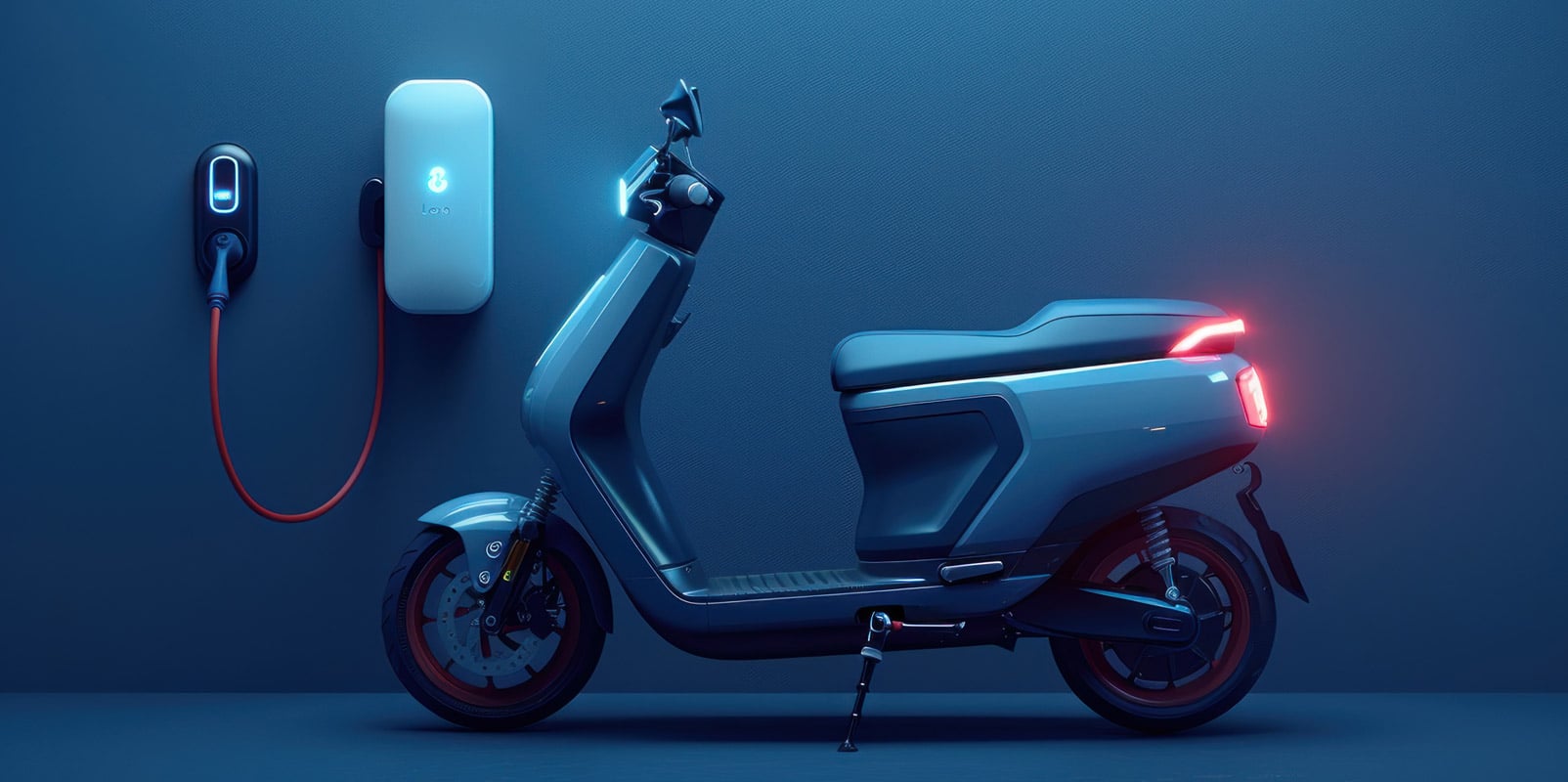
New Delhi/Gurugram, 22 May 2026: India’s Electric Two-Wheeler (E2W) market continued its strong growth momentum in Q1 2026, registering a robust 38% YoY increase, according to the latest CMR India Two-Wheeler Market Review for Q1 2026 by Cyber Media Research (CMR). The overall two-wheeler market also expanded 26% YoY, driven by resilient consumer demand, accelerating EV adoption, and rising preference for connected mobility experiences.
Hero MotoCorp maintained its leadership in the overall 2W market with 27% share, supported by the continued dominance of the Splendor portfolio, which contributed 61% of the company’s total volumes.
“Q1 2026 marks a defining shift in India’s two-wheeler market, where mobility is increasingly becoming smarter, connected, and value-driven. Motorcycles continued to dominate with a 58% market share and steady 21% YoY growth, while scooters significantly outpaced the broader market with a strong 34% YoY increase, fuelled by rising urban mobility demand. While the entry-level segment (ex-showroom price below INR 90,000) remains the market backbone with 65% share, momentum is steadily shifting toward value-plus models priced between INR 90,000 and INR 1.5 lakh, whose share expanded from 20% in Q1 2025 to 27% this quarter,” said Shipra Sinha, Senior Analyst – Smart Mobility Practice, CMR.
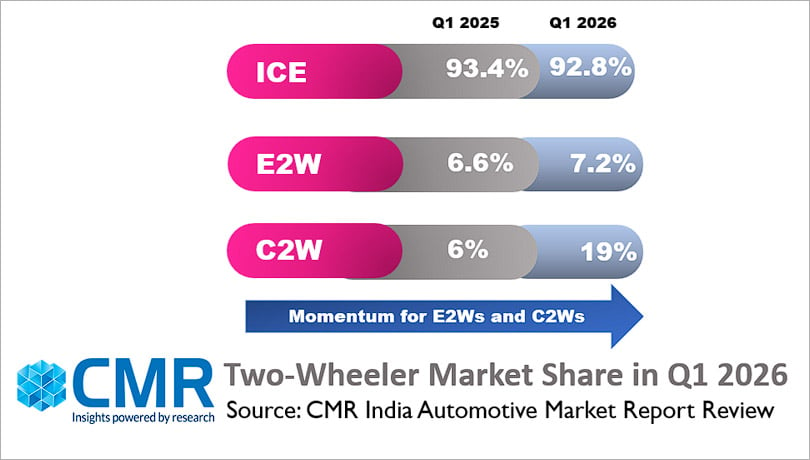
The strong market growth in Q1 2026 was driven by a combination of favorable macroeconomic and industry factors, including rising replacement demand, improving disposable incomes, expanding personal mobility needs across urban and semi-urban markets, and continued policy support for EV adoption through initiatives such as the PM E-Drive scheme. Festive buying during periods such as Gudi Padwa and Ugadi, along with fiscal year-end purchases, also contributed to stronger retail demand. OEMs further accelerated growth through wider dealer expansion and increasingly feature-rich product portfolios.
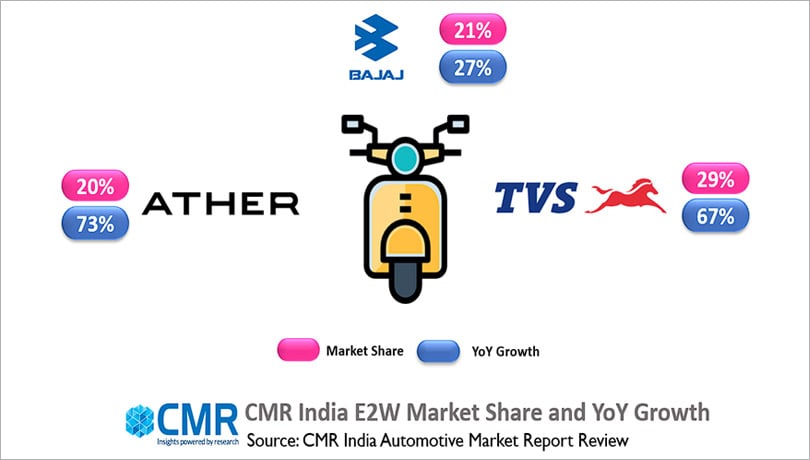
Key Technology Trends
Key Market Trends
Future Market Outlook
CMR expects India’s E2W market to sustain its growth momentum through CY2026 and beyond, with electric two-wheelers projected to capture 10–12% share of the overall two-wheeler market by the end of 2026.
“The Indian two-wheeler industry is rapidly transitioning from a pure volume-driven commuter market into a technology-led, digital-first mobility ecosystem. The next phase of competition will be shaped by value-plus premiumization, software-led differentiation, and seamless connected experiences. OEMs that successfully balance ICE reliability with scalable electric mobility strategies, while strengthening localized supply chains and data-driven ownership ecosystems, will be best positioned to capture the evolving aspirations of Indian consumers,” said Amit Sharma, Senior Analyst – Smart Mobility Practice, CMR.
Gurugram/New Delhi, September 15, 2026. According to the latest CMR India Consumer SSD Market Review by Cyber Media Research...
More Details
Gurugram/New Delhi, September 14, 2026: According to the latest CMR India Consumer HDD Devices Market Review Report by...
More Details
Gurugram/New Delhi, Sept 10, 2026. According to Cyber Media Research's (CMR) latest India Consumer Storage Flash Devices Market Review...
More Details